Antiquarian collectible books often force a choice between interior beauty and physical condition. This 1895 edition of Animal Drawings: A Series of Thirteen Plates by Caroline Hunt Rimmer is a telling example at its listed price of $75.
Quick verdict
If your collecting priority is the artwork inside, this copy makes sense. The thirteen plates are in very good condition, and the volume's late-1800s origin plus ex libris detail add collector appeal. If you need a fully bound, cover-sturdy book, this is not that copy.
What stands out
The interior artwork is the centerpiece. This edition carries an ex libris detail and a U.S. origin, and the backstory includes a family estate. These elements give the volume a distinct place in an antiquarian book collection.
Animal Drawings: A Series of Thirteen Plates by Caroline Hunt Rimmer 1895 1st Ed
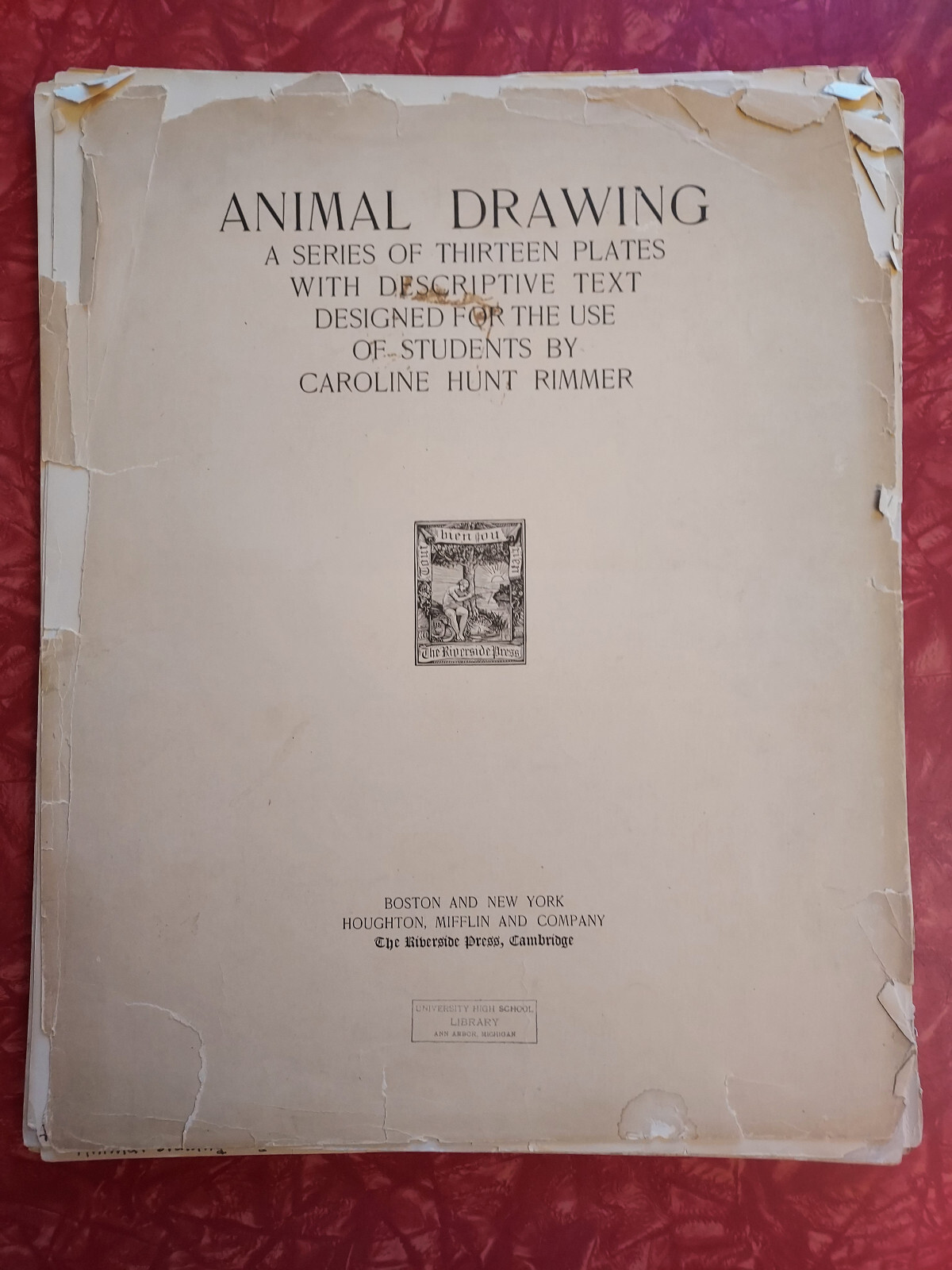
The strongest reason to choose this copy is the plate set: the artwork is the heart of a first edition, and the $75 price is straightforward. The limiting factor is the physical structure. The spine is unbound, no covers accompany the book, and the title-page oversheet is torn, nicked, and beginning to crumble. Black-ink handwriting appears at the bottom left of the pages, so this is clearly a used, annotated collector's copy.
Who it suits
This copy suits a collector who buys for content rather than condition. It belongs in a library focused on 19th-century illustrated books or early drawing instruction. If you plan to study or frame the artwork, the unbound spine matters less. If you want a book you can pull off the shelf and hand around without worry, this one will feel fragile.
Meaningful trade-offs
The central trade-off is condition versus content. This copy presents a clear choice: you are getting substantial visual interest alongside structural compromises. The handwritten page notes add a personal layer, yet they also confirm the book was used and annotated. The final decision comes down to whether the visual material outweighs the physical drawbacks.
Bottom line
Choose this copy if the artwork and the first-edition pedigree are what you collect. Skip it if a sound binding and complete cover structure are must-haves. For the right collector, the physical flaws are manageable rather than disqualifying.