Choosing among magazines, textbooks, and reference books comes down to the kind of question you need the book to answer. One option focuses on nonprofit publishing work, two copies cover American literary magazines across the eighteenth and nineteenth centuries, and one is a dedicated index for the 1850-1900 period. Subject fit matters more here than format alone, especially because the listed prices span a wide range.
Quick take
- For creating newsletters and magazines in a nonprofit setting, start with *Every Nonprofits Guide to Publishing: Creating Newsletters, Magazines*.
- For a hardcover historical guide to American literary magazines in the eighteenth and nineteenth centuries, the Like New Edward E. Chielens copy is the clearer pick because it carries the same listed price as the Very Good copy.
- For locating references to literary figures, works, reviews, and commentary from American magazines published between 1850 and 1900, choose *The Literary Index To American Magazines, 1850-1900*.
Listed-price comparison
| Book | Format and condition | Listed price | Price position |
|---|---|---|---|
| *American Literary Magazines* - Very Good | Hardcover; Very Good | USD 17.96 | |
| *American Literary Magazines* - Like New | Hardcover; Like New | USD 17.96 | |
| *The Literary Index To American Magazines, 1850-1900* | Hardcover; Brand New | USD 111.93 | |
| *Every Nonprofits Guide to Publishing* | Trade Paperback; Good; Revised | USD 6.50 |
The distance from the lowest listed price to the highest is USD 105.43. That gap reflects substantially different book roles: a practical publishing guide at one end and a specialized literary index at the other.
Decision matrix
Pick by research period. Daniel A. Wells's index is specifically centered on American magazines published from 1850 through 1900. Edward E. Chielens's *American Literary Magazines* instead names the eighteenth and nineteenth centuries, making it the broader-period choice among the literary-reference options.
Pick by intended task. Lucia Hwang and Cheryl Woodard's revised trade paperback is oriented toward creating newsletters and magazines. It is the natural match when publishing activity, rather than literary-history lookup, is the priority.
Pick by condition when the title is the same. The two Chielens hardcovers share author, ISBN, format, and listed price. The stated condition is the meaningful choice point: Like New versus Very Good.
Product notes
American Literary Magazines: The Eighteenth and Nineteenth Centuries - Very Good

This Edward E. Chielens hardcover suits readers seeking a historical guide focused on American literary magazines across the eighteenth and nineteenth centuries. Choose it when Very Good condition meets your needs and the period-wide subject is more important than a narrowly defined index. It shares ISBN 9780313239854 and the same USD 17.96 listed price as the Like New copy, so the central distinction is condition rather than edition or format. Its limitation is straightforward: it is marked Very Good, while the other copy of the same hardcover is marked Like New at the same listed price.
American Literary Magazines: The Eighteenth and Nineteenth Centuries - Like New
The Like New copy is the strongest fit for shoppers who want Edward E. Chielens's hardcover guide to eighteenth- and nineteenth-century American literary magazines with the higher stated condition of the two identical-title choices. It has the same ISBN, hardcover format, and USD 17.96 listed price as the Very Good copy, which makes the condition designation especially useful for deciding between them. Keep its scope in mind: the title is a historical guide covering two centuries, not an index confined to the 1850-1900 period. Readers doing pinpoint literary-reference work for that narrower era may prefer Wells's dedicated index.
The Literary Index To American Magazines, 1850-1900
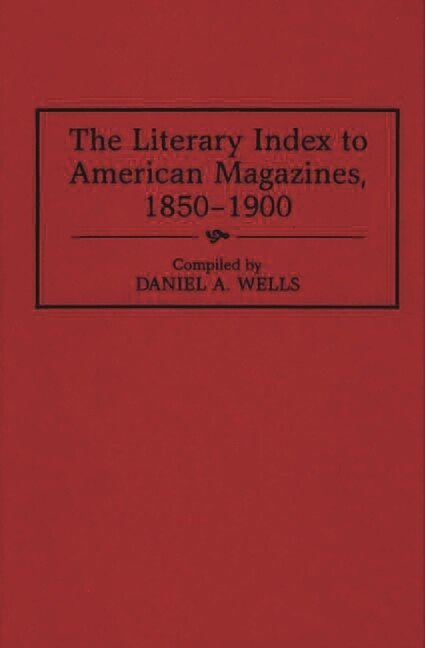
Daniel A. Wells's Brand New hardcover is for research centered on American magazines published between 1850 and 1900. Its description emphasizes references to major and minor literary figures, their works, book reviews, facts, opinions, and commentary, giving it a focused reference role. Choose it when names, works, and magazine-based literary material from that period are the goal. The limitation is its specialized time frame and USD 111.93 listed price: it is aimed at nineteenth-century indexing rather than newsletter creation or a broad guide extending into the eighteenth century.
Every Nonprofits Guide to Publishing: Creating Newsletters, Magazines - GOOD
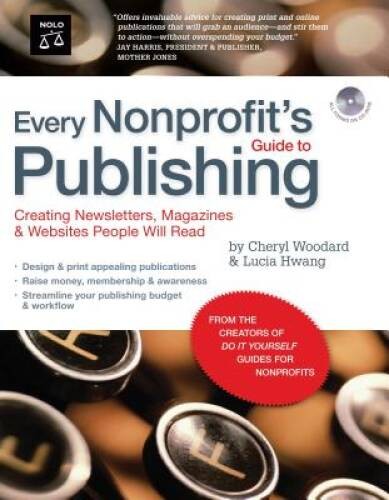
Lucia Hwang and Cheryl Woodard's revised trade paperback is the practical choice for nonprofit readers working on newsletters and magazines. At USD 6.50, it is the lowest-priced book in this comparison, and its title directly addresses publishing creation rather than literary scholarship. The revised designation may also appeal to shoppers who specifically want that edition feature. Its trade-paperback format can be convenient for a working guide, but the listed condition is Good. That makes it a different condition proposition from the Like New and Brand New hardcover choices, and its focus is nonprofit publishing rather than historical literary-magazine research.
Final recommendation by use case
Choose *Every Nonprofits Guide to Publishing* for hands-on nonprofit newsletter and magazine creation. Choose the Like New *American Literary Magazines* hardcover for a broad eighteenth- and nineteenth-century historical guide; the Very Good copy makes sense only when that condition is acceptable despite the matching price. Choose *The Literary Index To American Magazines, 1850-1900* when your work depends on a focused literary index for that specific period.